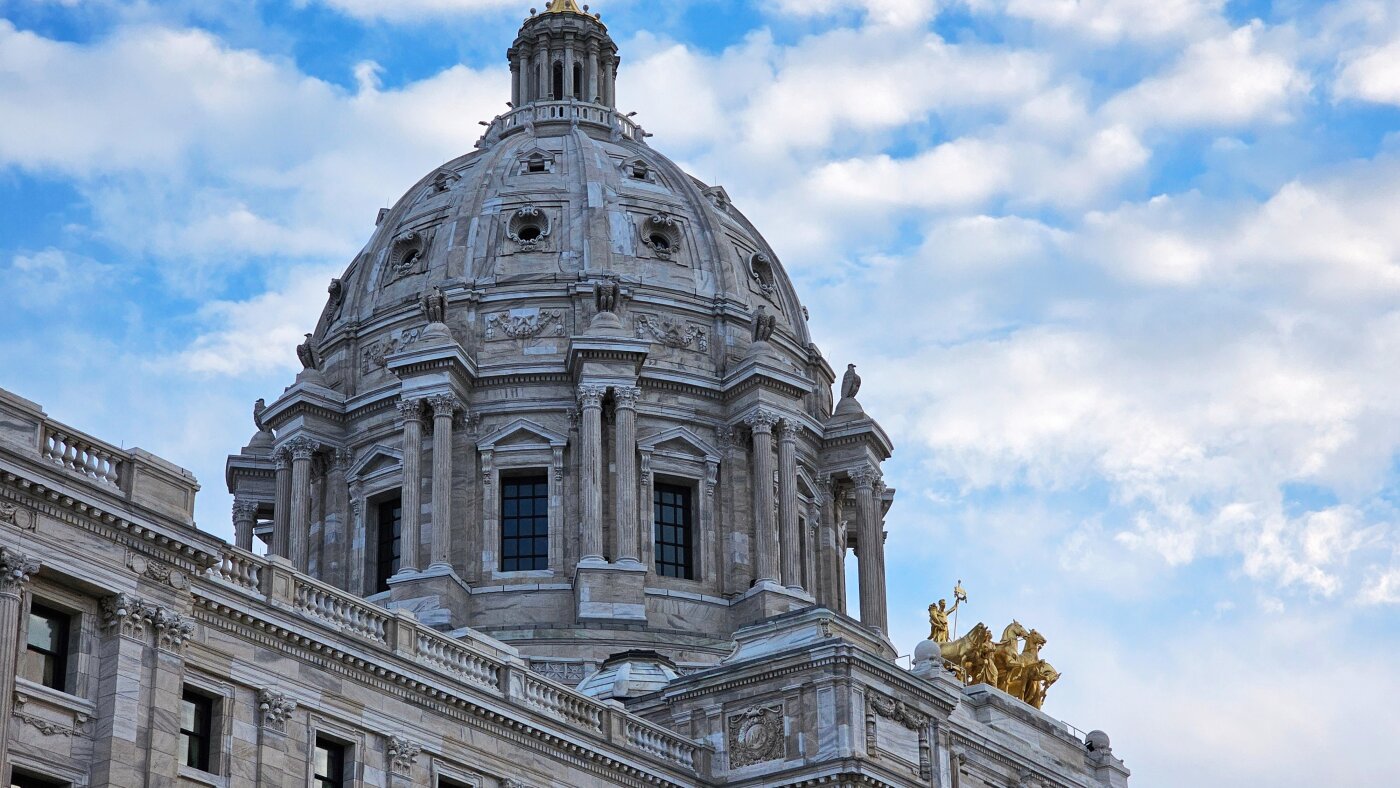
Our platform delivers equity research covering earnings momentum, market sentiment, and technical trading signals. Minnesota has become the first U.S. state to pass a law making it a felony for prediction market platforms such as Kalshi and Polymarket to operate within its borders. This move escalates state-level regulatory actions against the controversial industry, which dozens of other states have also targeted through legal measures.
Live News
Minnesota Enacts Nation's First Felony Ban on Prediction MarketsReal-time data enables better timing for trades. Whether entering or exiting a position, having immediate information can reduce slippage and improve overall performance.- Minnesota is the first U.S. state to pass a law making facilitation of prediction markets a felony offense.
- Dozens of other states have taken legal actions—such as cease-and-desist orders and lawsuits—against the industry, but none had previously imposed criminal penalties.
- The law specifically names Kalshi and Polymarket, two leading platforms in the event-betting space, but could apply broadly to any similar operator.
- This regulatory move may create a precedent for other states considering stricter measures, potentially leading to a patchwork of laws across the country.
- The industry faces both state and federal scrutiny, with the CFTC having previously proposed rule changes that could restrict these markets.
- Consumer protection and gambling addiction concerns are central arguments used by supporters of the ban, while opponents highlight the value of prediction markets for forecasting and hedging.
Minnesota Enacts Nation's First Felony Ban on Prediction MarketsMany investors adopt a risk-adjusted approach to trading, weighing potential returns against the likelihood of loss. Understanding volatility, beta, and historical performance helps them optimize strategies while maintaining portfolio stability under different market conditions.Scenario analysis based on historical volatility informs strategy adjustments. Traders can anticipate potential drawdowns and gains.Minnesota Enacts Nation's First Felony Ban on Prediction MarketsCross-market monitoring allows investors to see potential ripple effects. Commodity price swings, for example, may influence industrial or energy equities.
Key Highlights
Minnesota Enacts Nation's First Felony Ban on Prediction MarketsCombining global perspectives with local insights provides a more comprehensive understanding. Monitoring developments in multiple regions helps investors anticipate cross-market impacts and potential opportunities.In a significant development for the rapidly evolving prediction market sector, Minnesota has enacted legislation that criminalizes the operation of platforms like Kalshi and Polymarket, classifying such activity as a felony. While numerous states have pursued legal action against the industry—often through cease-and-desist orders or consumer protection lawsuits—Minnesota is the first to pass a law with criminal penalties.
The new statute directly targets companies that facilitate event-based betting, often referred to as "prediction markets," where users wager on outcomes ranging from election results to economic indicators. Proponents of the ban argue these platforms pose risks similar to unregulated gambling and may distort public discourse or market signals. Critics contend the law could stifle innovation and push operators into less-regulated jurisdictions.
Kalshi and Polymarket, two of the largest names in the space, have previously faced scrutiny from federal regulators, including the Commodity Futures Trading Commission. The Minnesota law adds a layer of state-level enforcement that could complicate their business models. It remains unclear how aggressively the state will pursue out-of-state operators that accept Minnesota residents or whether the law will face constitutional challenges.
Minnesota Enacts Nation's First Felony Ban on Prediction MarketsThe increasing availability of analytical tools has made it easier for individuals to participate in financial markets. However, understanding how to interpret the data remains a critical skill.Real-time data enables better timing for trades. Whether entering or exiting a position, having immediate information can reduce slippage and improve overall performance.Minnesota Enacts Nation's First Felony Ban on Prediction MarketsThe availability of real-time information has increased competition among market participants. Faster access to data can provide a temporary advantage.
Expert Insights
Minnesota Enacts Nation's First Felony Ban on Prediction MarketsReal-time updates allow for rapid adjustments in trading strategies. Investors can reallocate capital, hedge positions, or take profits quickly when unexpected market movements occur.From an investor perspective, the Minnesota law signals a potential shift in the regulatory landscape for prediction markets. While the industry has grown rapidly in recent years—drawing venture capital and retail interest—state-level criminalization introduces a new tier of operational risk. Companies may need to geo-restrict access more rigorously or consider relocating their legal entities.
Observers suggest that the federal regulatory environment remains the primary determinant of long-term viability for these platforms. The CFTC has previously signaled a desire to rein in contracts tied to political events and other "non-traditional" outcomes. If more states follow Minnesota's lead, the compliance burden could rise substantially, potentially limiting market growth.
Industry analysts might view this as a cautionary development for investors exposed to prediction market startups or related technology providers. However, without clearer federal guidance, the sector is likely to face continued legal uncertainty. Any foray into this space should account for the possibility of expanding regulatory actions across multiple jurisdictions. The outcome of any legal challenges to the Minnesota law could also influence how other states approach the issue in the months ahead.
Minnesota Enacts Nation's First Felony Ban on Prediction MarketsObserving correlations between different sectors can highlight risk concentrations or opportunities. For example, financial sector performance might be tied to interest rate expectations, while tech stocks may react more to innovation cycles.Some investors prefer structured dashboards that consolidate various indicators into one interface. This approach reduces the need to switch between platforms and improves overall workflow efficiency.Minnesota Enacts Nation's First Felony Ban on Prediction MarketsSome investors rely on sentiment alongside traditional indicators. Early detection of behavioral trends can signal emerging opportunities.